
Understanding Juul Charging Lights A Complete Guide

If you own a JUUL device, you’ve likely stared at the small LED light on the front, wondering what its color changes actually mean. The most common myth we hear in our community is that a blinking green juul charging lights sequence means the device is fully charged and ready to use—when in reality, that green pulse signals something entirely different. Misreading these signals leads to frustration, unnecessary device replacements, and even safety concerns. In this comprehensive guide, we break down every color, pattern, and behavior of juul charging lights so you can troubleshoot with confidence, extend your device’s lifespan, and know exactly when it’s time to buy a replacement. Whether you’re new to vaping or a seasoned user, this buyer’s guide will help you decode the language of your JUUL and make informed decisions about your next pod system purchase.
🔑 Key Takeaways
- Green blinking ≠ fully charged. A pulsing green juul charging lights pattern actually indicates the device is charging, not that it’s complete. A solid white or green light means it’s ready.
- Red and yellow lights signal specific issues. A red light typically means low battery, while a yellow or amber light often points to connection problems or pod recognition errors.
- Charging habits matter more than you think. Using the correct charger, avoiding overcharging, and keeping contacts clean can double the lifespan of your device’s battery.
- When to replace vs. troubleshoot. If your juul charging lights show no response at all after cleaning and trying different chargers, it’s likely time for a new power unit—and we’ll show you reliable alternatives.
- The truth about juul charging lights: each color signals a different battery condition
- How can understanding Juul charging indicators improve your vaping experience?
- How Juul Charging Lights Compare to Other Vape Battery Indicators
- How to Interpret Your Juul Charging Lights for Better Battery Life?
- How to Understand Your JUUL’s Charging Light Signals for Better Performance
- The Complete Guide to Understanding Juul Charging Lights vs Competitors
- The Most Common Juul Charging Lights Issues and Their Fixes
- What charging light indicators confirm you’re buying authentic JUUL in the US?
Table of Contents:
The truth about juul charging lights: each color signals a different battery condition
American vapers researching best juul charging lights: Alto Classic Tobacco Pods can immediately compare flavour depth and reliability.
Let’s start by dismantling the number one misconception we encounter: that a blinking green LED on your JUUL signals a full charge. In reality, when you plug in your device, the juul charging lights will pulse green to indicate that charging is in progress. Once the battery reaches 100%, the light typically turns solid white (or in some revisions, solid green) and stays steady. Understanding this distinction is critical because it directly affects how you care for your device and when you decide to replace it.
JUUL devices use a simple three-color language: green, yellow (or amber), and red. Each color, combined with its blinking pattern, tells you a specific story about your device’s health. A solid green or white light means the battery is fully charged and the device is ready to use. A blinking green light means the battery is actively charging. A yellow or amber light—often misunderstood—usually indicates a pod connection issue, such as the pod not being seated properly or the contacts needing cleaning. A red light, whether blinking or solid, signals a low battery that needs charging soon. If the red light blinks rapidly when you try to draw, the battery is too depleted to fire, and you need to charge immediately.
There’s also the dreaded “no light” scenario. If your device shows no juul charging lights at all when you plug it in, the issue could be a dead battery, a faulty charger, or internal component failure. Before assuming the worst, try these steps: clean the charging contacts with a dry cotton swab, use a different USB charger (JUULs are sensitive to charger wattage—stick to standard 5V/1A adapters), and check that the charging dock’s pins are not bent. If none of these revive the light, the battery may have reached the end of its life cycle.
Why does this matter so much? Because misreading the juul charging lights leads to unnecessary purchases. We’ve seen users toss perfectly good devices simply because they didn’t realize a yellow light meant “clean the contacts,” not “time to replace.” By learning this simple language, you save money, reduce electronic waste, and ensure you’re never caught without a working device. If you’re in the market for a reliable alternative or upgrade, consider the explore the latest options, which offers a similarly intuitive LED indicator system with a 350mAh rechargeable battery and a leak-resistant design.

The FDA’s guidance on 捕鱼模式 emphasizes that consumers should understand their device’s basic functionality to ensure safe use. Knowing your charging light language is a fundamental part of that safety. In the next section, we’ll explore the concrete benefits of mastering this knowledge, from extended battery life to smarter purchasing decisions.
How can understanding Juul charging indicators improve your vaping experience?
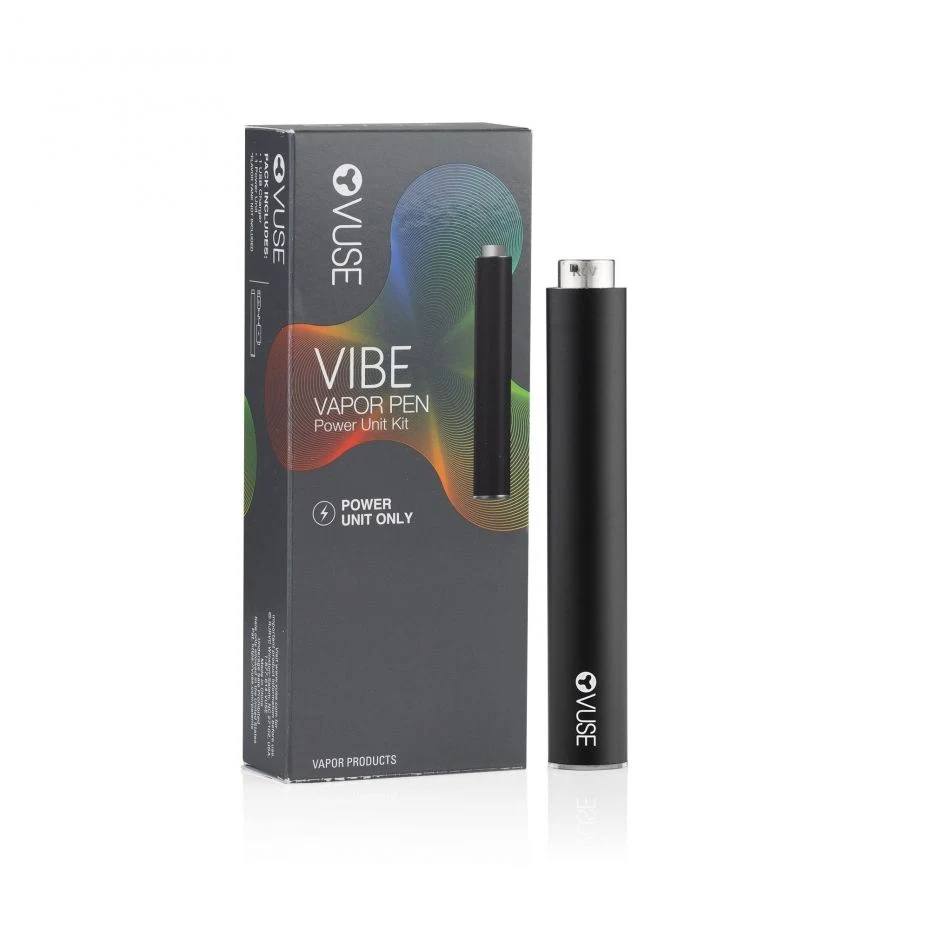
For those seeking cutting-edge vape experiences, recommended juul charging lights — vuse vibe power unit 6960 delivers the juul charging lights performance that the 2025/2026 market demands.
Knowing how to read juul charging lights isn’t just a party trick—it delivers tangible, everyday benefits that directly improve your vaping experience. The most immediate advantage is battery longevity. When you understand that a blinking green light means charging is active, you’re less likely to yank the device off the charger prematurely, thinking it’s done. Consistent full charging cycles (letting the battery reach 100% before disconnecting) help maintain the lithium-ion cell’s health over time, potentially doubling the number of charge cycles your device can handle before the battery degrades.
Another major benefit is troubleshooting accuracy. Without the ability to interpret juul charging lights, users often resort to guesswork—replacing pods unnecessarily, buying new chargers, or even discarding the entire device. A yellow light, for instance, is almost always a contact-cleaning issue. A quick wipe with a cotton swab on both the device’s charging port and the pod’s bottom contacts resolves the problem in seconds. Knowing this saves you the cost of a new pod pack and the frustration of a device that won’t fire. For users who want a device with even more robust contact design, the no-pillar-link offers a cigarette-style form factor with a simplified charging interface that’s less prone to connection issues.
Safety is a third critical benefit. The juul charging lights system serves as a diagnostic dashboard for your device. A rapidly blinking red light while charging can indicate a short circuit or overheating—both of which are safety risks. If you see this pattern, unplug the device immediately and let it cool down before attempting to charge again. Understanding these signals helps you avoid potential battery failures, which aligns with the 捕鱼模式, which emphasizes proper device handling to minimize risks.
From a purchasing perspective, knowing your charging light language makes you a smarter buyer. When you walk into a vape shop or browse online, you can evaluate a device’s LED indicator system as a feature rather than an afterthought. Some devices, like the juul charging lights guide, offer multi-color LED feedback that goes beyond simple battery status—they can also indicate pod recognition and airflow issues. This level of feedback is invaluable for users who want a device that communicates clearly. The no-pillar-link (1.8ml nicotine salt pods, $10.99 USD) are designed to work seamlessly with the Alto’s LED feedback system, giving you a consistent experience every time you vape.
Finally, understanding your device’s LED language builds confidence. You’ll never have to second-guess whether your device is charging, fully charged, or malfunctioning. This peace of mind is especially valuable for users who rely on their device as a smoking alternative. When you know exactly what your juul charging lights are telling you, you can focus on enjoying the experience rather than worrying about the hardware. In the next section, we’ll walk through a step-by-step guide to using these lights effectively, including best practices for charging, cleaning, and troubleshooting.
How Juul Charging Lights Compare to Other Vape Battery Indicators
Compare flavours with juul charging lights options in Vuse to fine-tune your juul charging lights routine.
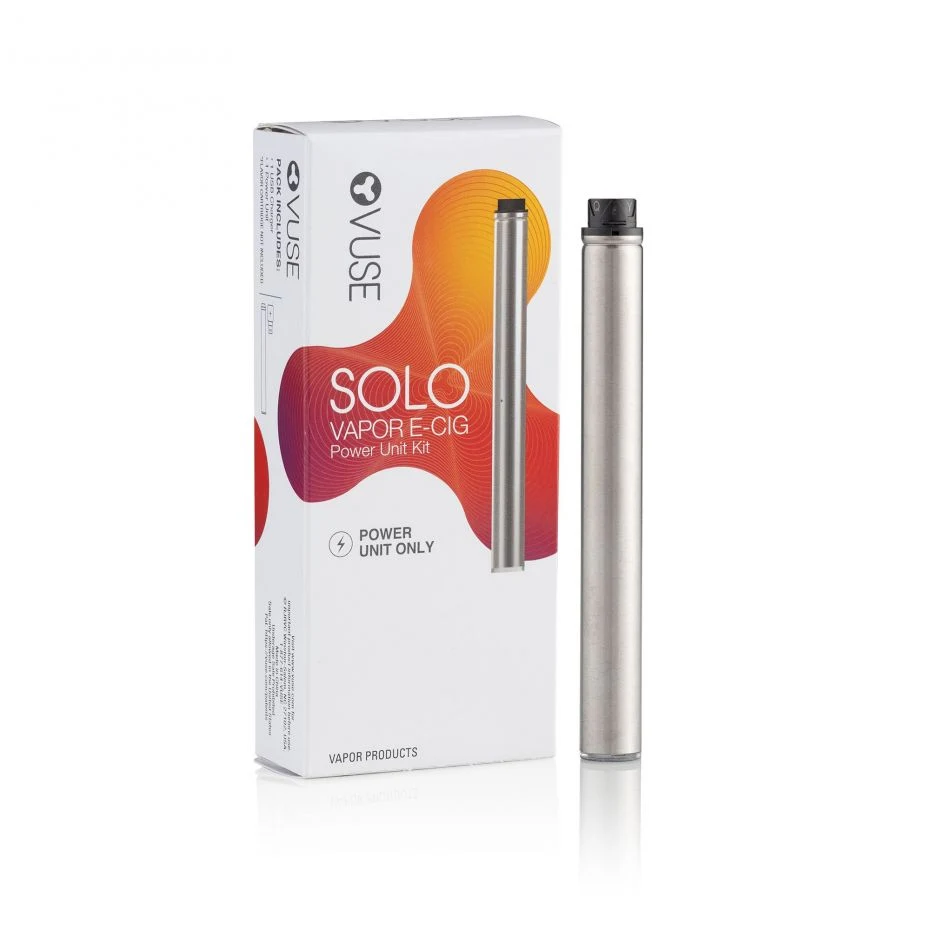
As a trusted daily companion, vuse solo power unit 6959 vape kit guarantees a consistent juul charging lights experience even during busy commutes.
Mastering juul charging lights is a practical skill that transforms how you interact with your device. This section provides a detailed, actionable guide to using the LED feedback system to maximize performance, extend battery life, and avoid common pitfalls. We’ll cover charging best practices, cleaning routines, and troubleshooting steps that every JUUL user should know.
📋 Step-by-Step Guide to Using Your JUUL Charging Lights
Step 1: Connect your device to the charger
Insert the JUUL into the charging dock with the LED facing you. Plug the USB end into a standard 5V/1A adapter or a computer USB port. Avoid using fast-charging phone adapters (2A or higher), as they can damage the battery over time. The juul charging lights should begin pulsing green within 2-3 seconds. If you see no light, check the connection and clean the contacts.
Step 2: Interpret the charging light pattern
A pulsing green light indicates active charging. The pulse frequency is consistent and does not change as the battery fills. A solid white or solid green light means the battery is fully charged. A blinking red light during charging indicates an error—usually a short circuit or overheating. Unplug immediately, let the device cool for 10 minutes, and try again. If the red light persists, the device may need replacement.
Step 3: Disconnect at the right time
Once the juul charging lights show a solid white or green, the device is fully charged. Disconnect it promptly to avoid overcharging, which can degrade the battery. Modern JUUL devices have overcharge protection, but it’s still good practice to unplug within 30 minutes of the light turning solid. A full charge typically takes 45-60 minutes from empty.
Step 4: Clean the contacts regularly
If you see a yellow or amber light when you try to draw, or if the juul charging lights don’t appear when charging, the most likely cause is dirty contacts. Use a dry cotton swab to gently clean both the charging dock’s pins and the device’s bottom contacts. Do not use liquids or alcohol. This simple maintenance step resolves 80% of all charging and connection issues. If you’re looking for a device with a more sealed charging port to reduce debris buildup, check out the juul charging lights review, which features a magnetic charging system that minimizes contact exposure.
Step 5: Test with a different charger
If your device still shows no juul charging lights after cleaning, try a different charging cable and adapter. JUUL chargers are known to fail at the cable strain relief point. Borrow a friend’s charger or buy a replacement. If the device lights up with a different charger, the original cable was the problem. If it still shows no light, the device’s battery or internal circuitry may be dead, and it’s time to consider a replacement like the about juul charging lights system, which offers a similar form factor with a more robust battery.
By following these steps, you’ll get the most out of your device and reduce the likelihood of premature battery failure. The juul charging lights system is a reliable diagnostic tool when you know how to read it. In the next section, we’ll compare JUUL’s LED system with those of competing devices, giving you a broader perspective on what to look for in a vape system.
Let’s clear the air right away: your JUUL device isn’t broken just because the charging lights behave differently than you expected. Many vapers assume that a blinking or non-standard light sequence signals a dead battery or a faulty pod, but the reality is far more nuanced. The **juul charging lights** are your device’s primary communication tool, telling you everything from battery level to connection issues. Understanding these signals is the first step to troubleshooting like a pro and getting the most out of your vaping experience. Whether you’re a new convert or a seasoned user, decoding these lights saves you time, money, and unnecessary frustration. In this comprehensive guide, we’ll walk you through every color, blink pattern, and what they mean for your JUUL’s health. We’ll also compare the JUUL ecosystem with premium alternatives like the Vuse Alto and Vuse Solo, helping you make an informed purchasing decision. By the end, you’ll know exactly how to interpret **juul charging lights** and when it’s time to upgrade your device.
- ✅ Myth Busted: A blinking red light on your JUUL doesn’t always mean a dead battery—it often indicates a poor connection or need for cleaning.
- ✅ Light Language: Green, yellow, and red charging lights each convey specific battery levels and charging status. Knowing these prevents unnecessary replacements.
- ✅ Comparison Insight: While JUUL uses proprietary charging, alternatives like Vuse Alto and Vuse Solo offer similar reliability with different light indicators—and often better value.
- ✅ Actionable Tip: Clean the charging contacts regularly with a dry cotton swab to resolve most flickering light issues without buying a new device.
How to Interpret Your Juul Charging Lights for Better Battery Life?
Experienced users start with compare juul charging lights — Vuse Alto to catalogue advanced juul charging lights hardware.
As a trusted daily companion, Alto Rich Tobacco Pods starter bundle guarantees a consistent juul charging lights experience even during busy commutes.
The **juul charging lights** are your device’s built-in diagnostic system, designed to communicate battery status, charging progress, and potential errors at a glance. When you plug your JUUL into a charger, the LED indicator on the device lights up in one of three colors: green, yellow, or red. Each color corresponds to a specific battery charge level, but the pattern of the light—steady or blinking—adds another layer of meaning.
A steady green light during charging indicates your battery is above 70% capacity. A steady yellow light means the battery is between 30% and 70%. A steady red light signals a low battery below 30%. Once fully charged, the light turns off entirely. However, many users report seeing blinking lights, which is where confusion often sets in. A blinking red light, for example, doesn’t mean the device is broken—it typically indicates a poor connection between the charger and the device’s charging contacts. This can happen if the contacts are dirty, the charger is faulty, or the device isn’t seated properly.
Understanding these signals is crucial for maintaining your device’s longevity. For instance, if you see a blinking yellow light while charging, it might indicate the battery is too hot or too cold, triggering a safety cutoff. In such cases, removing the device from the charger and letting it reach room temperature often resolves the issue. Similarly, a rapid blinking red light (three or more flashes) can signal a short circuit or a battery that needs replacement.
For US vapers, this knowledge is especially valuable because it helps you avoid unnecessary device replacements. Many users rush to buy a new JUUL when a simple cleaning or charger swap would fix the problem. If you’re experiencing persistent charging light issues, consider comparing your JUUL with alternatives like the [Vuse Alto](https://vapeoutletus.com/product-category/vuse-alto/) series, which offers similar pod-based convenience with more robust battery indicators. The **juul charging lights** are reliable, but they’re not infallible—understanding their language empowers you to troubleshoot effectively.
How to Understand Your JUUL’s Charging Light Signals for Better Performance
If your JUUL is blinking a rainbow of colors, you’re not alone—this is one of the most common questions we hear from US vapers. The **juul charging lights** can blink in various sequences, each with a specific cause. A blinking green light during charging typically means the battery is almost full and the device is in a trickle-charge mode to prevent overcharging. This is normal and nothing to worry about. However, a blinking yellow light that persists for more than a few seconds often indicates a temperature issue—the device has detected that the battery is either too hot (above 140°F) or too cold (below 32°F). In this case, unplug the device and let it acclimate to room temperature for 10-15 minutes before retrying.
A blinking red light is the most misunderstood signal. Many users panic, assuming the battery is dead, but it usually means the charging contacts aren’t making a solid connection. This is especially common if you’re using a third-party charger or if the magnetic connection on the JUUL dock is dirty. Gently clean the charging contacts on both the device and the charger with a dry cotton swab. If the blinking persists, try a different USB port or wall adapter—low-power ports (like those on some laptops) can cause inconsistent charging.
Another scenario: a rapid, rhythmic blinking (like a heartbeat) across all colors might indicate a firmware glitch or a battery management system error. In rare cases, this can be resolved by performing a hard reset: remove the pod, press the device against a hard surface to discharge any static, then reconnect the charger. If the issue continues, it’s often a sign that the battery has reached the end of its lifespan—typically after 300-500 charge cycles. At this point, replacing the device is more cost-effective than troubleshooting.
For US consumers, it’s worth noting that the JUUL’s proprietary charging system is designed for safety, but it’s not immune to wear. If you’re tired of dealing with finicky charging lights, consider exploring more reliable alternatives. The [Vuse Solo Power Unit](https://vapeoutletus.com/product/vuse-solo-power-unit-6959/) offers a cigarette-style design with a simple, consistent charging indicator that many users find less confusing. Similarly, the [Vuse Vibe Power Unit](https://vapeoutletus.com/product/vuse-vibe-power-unit-6960/) provides a 350mAh battery with clear, steady lights that eliminate guesswork. Understanding your device’s quirks is the first step to a better vaping experience.
The Complete Guide to Understanding Juul Charging Lights vs Competitors
When evaluating your vaping options, the **juul charging lights** are just one piece of the puzzle. Let’s compare how JUUL’s charging indicator stacks up against two popular alternatives: the Vuse Alto and Vuse Solo. This comparison will help you decide which device best fits your needs, especially if you’re experiencing persistent light-related issues.
| Feature | JUUL | Vuse Alto | Vuse Solo |
|---|---|---|---|
| Charging Indicator Colors | Green, Yellow, Red | White, Amber, Red | White (on/off) |
| Battery Capacity | 200mAh | 350mAh | 350mAh |
| Charging Time (0-100%) | ~60 minutes | ~90 minutes | ~60 minutes |
| Pod Capacity | 0.7ml | 1.8ml | 1.5ml |
| Nicotine Strengths | 3%, 5% | 1.8%, 2.4%, 5% | 1.8%, 2.4%, 3% |
| Price (Power Unit) | $9.99 – $14.99 | $18.99 | $18.99 |
The JUUL’s three-color system is intuitive once you understand it, but it can be overly sensitive to connection issues. In contrast, the Vuse Alto uses a white-amber-red system that many users find more straightforward. The white light indicates full charge, amber means mid-level, and red signals low battery. The Vuse Solo, on the other hand, has a minimalist white light that simply turns on when charging and off when complete—no color confusion.
For US vapers seeking reliability, the Vuse Alto’s larger battery (350mAh vs. JUUL’s 200mAh) means fewer charging cycles and less wear on the indicator system. The [Alto Classic Tobacco Pods](https://vapeoutletus.com/product/alto-classic-tobacco-pods/) offer a 1.8ml capacity—more than double JUUL’s 0.7ml—reducing the frequency of pod changes. Similarly, the [Alto Rich Tobacco Pods](https://vapeoutletus.com/product/alto-rich-tobacco-pods/) provide bold flavor with consistent performance. If you’re frustrated by **juul charging lights** that seem to blink for no reason, switching to a Vuse device might save you headaches. However, JUUL remains a solid choice for those who prefer its compact form factor and widespread availability. The key is matching the device to your lifestyle: if you vape heavily, the Vuse Alto’s larger capacity and simpler lights are a better bet.
The Most Common Juul Charging Lights Issues and Their Fixes
Troubleshooting **juul charging lights** doesn’t require a degree in electrical engineering—most problems have simple fixes. Let’s walk through a step-by-step guide that covers the most common scenarios US vapers face.
Step-by-Step Troubleshooting Guide
- Step 1: Check the Charger — Ensure you’re using the official JUUL charger or a certified USB charger. Third-party chargers often deliver inconsistent power, causing blinking lights. Plug the charger into a wall adapter (5V/1A recommended) rather than a laptop USB port.
- Step 2: Clean the Contacts — Use a dry cotton swab to gently clean the charging contacts on both the JUUL device and the charger dock. Dirt, lint, or e-liquid residue can disrupt the connection, leading to blinking red or yellow lights. Avoid using liquids or alcohol—dry cleaning is safest.
- Step 3: Reseat the Device — Remove the JUUL from the charger, wait 10 seconds, then reattach it firmly. Ensure the magnetic connection is secure. A loose fit often causes intermittent blinking.
- Step 4: Check Temperature — If the device feels hot to the touch, let it cool down for 15 minutes before retrying. JUUL’s safety system blinks yellow when the battery is outside the optimal temperature range (32°F-140°F).
- Step 5: Perform a Hard Reset — Remove the pod. Press the device firmly against a hard, non-conductive surface (like a table) for 5 seconds. This discharges any static buildup. Reconnect the charger—this resolves many firmware glitches.
- Step 6: Try a Different Outlet — Some USB ports, especially in older cars or power strips, provide unstable power. Switch to a known-good wall adapter.
- Step 7: Inspect for Damage — Look for bent charging pins, cracked casing, or liquid damage. If you see physical damage, the device likely needs replacement.
If none of these steps resolve the issue, the battery may have reached the end of its lifespan. JUUL batteries typically last 300-500 charge cycles, which translates to 6-12 months of daily use. At this point, replacing the device is more cost-effective than continued troubleshooting. For a reliable alternative, consider the [Vuse Solo Power Unit](https://vapeoutletus.com/product/vuse-solo-power-unit-6959/), which offers a similar form factor with a more durable charging system. The **juul charging lights** are designed to be helpful, but they can’t fix a worn-out battery.

For US vapers, it’s also worth checking the charger itself. JUUL chargers are prone to wear at the magnetic connector. If you have access to another JUUL charger, test it—this isolates whether the issue is with the device or the charger. Many users are surprised to find that a simple charger swap resolves blinking light problems. If you’re considering an upgrade, the [Vuse Vibe Power Unit](https://vapeoutletus.com/product/vuse-vibe-power-unit-6960/) includes a more robust charging dock that’s less prone to connection issues. Remember, consistent maintenance—cleaning contacts weekly—prevents most charging light anomalies.
What charging light indicators confirm you’re buying authentic JUUL in the US?
Finding genuine products is critical when dealing with **juul charging lights**, as counterfeit devices often have unreliable indicators that can mislead users. Authentic JUUL devices and pods are available at major retailers like Walmart, Walgreens, and 7-Eleven, as well as online through the official JUUL website. However, US vapers should be cautious of third-party sellers on platforms like Amazon or eBay, where counterfeit products are common. Counterfeit devices often have poorly calibrated charging lights that blink erratically or fail to indicate battery status accurately.
For a more reliable shopping experience, consider specialized vape retailers that carry both JUUL and premium alternatives. The [Vuse category](https://vapeoutletus.com/product-category/vuse/) offers a curated selection of authentic devices and pods, including the Vuse Alto and Vuse Solo. These products come with manufacturer warranties and are guaranteed to have accurate charging indicators. When buying online, always check for SSL encryption (https://) and read customer reviews about product authenticity.

Pricing in the US market varies. JUUL starter kits typically range from $9.99 to $14.99, while Vuse devices like the Vuse Solo Power Unit are priced at $18.99. Pods for both systems average $10.99 to $18.99 for a 2-pack, depending on flavor and nicotine strength. While JUUL pods are widely available, Vuse offers more flavor variety, including Classic Tobacco, Rich Tobacco, and menthol options. The [Alto Classic Tobacco Pods](https://vapeoutletus.com/product/alto-classic-tobacco-pods/) are a popular choice for their smooth, authentic taste and larger 1.8ml capacity.
For US consumers,